
multi-layered cybersecurity strategy that actually works

How to Build a Multi-Layered Cybersecurity Strategy That Actually Works

The world and businesses are now hyperconnected, cybersecurity is no longer optional.  It’s the foundation of business resilience. With threats evolving faster than ever, relying on a single line of defense is like locking your front door while leaving the windows open.

That’s where a multi-layered cybersecurity strategy comes in. It’s not just about installing antivirus software or firewalls, it’s about creating a comprehensive defense system that protects every layer of your digital infrastructure, from people to processes to technology.

Vennote Technologies help businesses across industries implement multi-layered cybersecurity frameworks that actually work, practical, scalable, and tailored to real-world risks.

Why Multi-Layered Cybersecurity Matters

Modern cyber threats are more sophisticated, persistent, and adaptive than ever. A single layer of defense simply can’t keep up.

Here’s why a multi-layered cybersecurity approach is essential:

  1. Multiple barriers reduce breach risk: Even if one layer fails, others can detect, isolate, and mitigate threats.
  2. Covers different threat types: From phishing and ransomware to insider attacks, each layer addresses a unique vulnerability.
  3. Improves detection and response: Integrated systems identify suspicious behavior faster, reducing downtime and losses.
  4. Supports compliance and governance: Many data protection standards (like ISO 27001 or GDPR) require layered controls.

Multi-layered cybersecurity is like an insurance policy  but smarter, faster, and proactive.

How to Build a Multi-Layered Cybersecurity Strategy That Actually Work

How to Build a Multi-Layered Cybersecurity Strategy

1. Start with Risk Assessment and Business Mapping

Before implementing tools, you need to understand what you’re protecting and where your weaknesses lie.

Ask:

*What data is most critical to operations?

*Who has access to it?

*What would happen if it were compromised?

At Vennote, we begin every engagement with a comprehensive cybersecurity audit  mapping systems, networks, and user behaviors to identify your unique risk profile.

2. Secure the Perimeter — But Don’t Stop There

Traditional firewalls and intrusion detection systems are your first line of defense, but they’re not enough.
Enhance perimeter security with:

  1. Next-Gen Firewalls (NGFWs) that use AI and deep packet inspection
  2. Zero Trust Network Access (ZTNA) models that verify every user, every time
  3. Network segmentation to contain potential breaches

These measures ensure that unauthorized users are stopped before they reach critical systems.

3. Strengthen Endpoint Security

Your endpoints laptops, mobile devices, servers  are prime entry points for attackers.
Implement:

*Endpoint Detection and Response (EDR) solutions

*Mobile Device Management (MDM)

*Regular patch management and software updates

Automate patching schedules to eliminate human error — one of the leading causes of cyber incidents.

4. Protect Your Data — Everywhere

Data is the heart of your business. Protect it at rest, in transit, and in use.

Key steps include:

  1. Encryption across all channels
  2. Data Loss Prevention (DLP) tools
  3. Access control policies ensuring only authorized users can view or modify sensitive data

Vennote integrates these protections seamlessly into your IT ecosystem, so your business stays secure without slowing down performance.

5. Build a Strong Human Firewall

Even the best systems can fail if people make mistakes. In fact, over 90% of breaches are linked to human error. That’s why cybersecurity awareness training is non-negotiable.

Equip your team to:

*Identify phishing emails and social engineering attempts

*Use secure passwords and authentication methods

*Report incidents immediately

Vennote’s employee training modules are designed to turn your workforce into your first line of defense.

6. Implement Continuous Monitoring and Incident Response

Cybersecurity isn’t a one-time project, it’s an ongoing process.

A multi-layered strategy includes:

  1. 24/7 network monitoring
  2. Threat intelligence integration
  3. Incident response planning and simulation

With proactive monitoring, potential threats are detected and mitigated before they become full-scale breaches.

7. Backup, Recover, and Review

Even with the strongest security, incidents can happen. The key is resilience, your ability to recover quickly.

Ensure you have:

*Regular data backups stored offsite or in the cloud

*Disaster recovery plans tested quarterly

*Post-incident analysis to strengthen your defense for next time

At Vennote, we help organizations implement business continuity frameworks that ensure minimal downtime and maximum uptime.

The Vennote Advantage: Smart Security for a Connected World

Smart Security for a Connected World

What sets Vennote apart is our holistic approach to cybersecurity.
We don’t just install software, we build end-to-end security ecosystems that combine people, process, and technology.

From managed IT services to cloud security and real-time monitoring, Vennote empowers your organization to stay one step ahead of evolving threats.

In Conclusion

Building a multi-layered cybersecurity strategy that actually works isn’t about buying the most expensive tools, it’s about aligning technology with your business goals, people, and risk profile.

With the right partner, like Vennote Technologies, you can transform cybersecurity from a reactive expense into a strategic advantage that fuels trust, compliance, and growth.

Modern Cyber Security

How Cybersecurity Works: Safeguarding the Future of Business Growth

The world has become hyperconnected, how cybersecurity works is no longer a mystery reserved for IT departments, it’s a boardroom conversation. Every business now operates in a digital ecosystem where data is currency and uptime is survival.

As organizations adopt cloud technologies, AI, and remote infrastructures, the threat landscape evolves faster than ever. According to IBM’s Cost of a Data Breach Report 2024, the global average cost of a single data breach hit $4.88 million, with detection times often exceeding 270 days.

Beyond financial loss, breaches erode trust, disrupt operations, and threaten long-term growth. That’s why understanding how cybersecurity works has become a business-critical necessity—not just an IT concern.

Why Businesses Can’t Afford to Ignore Cybersecurity

The Expanding Attack Surface

Enterprises rely on hybrid systems, cloud platforms, SaaS tools, and connected devices. While these innovations drive productivity, they also expand the “attack surface.” Each new endpoint or app becomes a potential entry point for cybercriminals.

Phishing, ransomware, and insider threats now exploit automation and AI to bypass traditional defenses. For businesses, the risk is no longer if an attack will happen, but when.

Human Error and Security Fatigue

More than 80% of breaches involve human error—weak passwords, misconfigurations, or accidental data sharing. Even with advanced security tools, one misplaced click can compromise entire networks.

The Cost of Downtime and Compliance Failure

Downtime is costly. Gartner estimates $5,600 per minute of IT outage. Non-compliance with frameworks like GDPR, NDPR, or ISO 27001 adds regulatory penalties and reputational damage.

Understanding how cybersecurity works is no longer optional—it’s essential for business survival.

How Cybersecurity Works in the Modern Enterprise

Cybersecurity operates as a multi-layered defense system—an ecosystem of technologies, processes, and people working together to protect digital assets.

1. The Foundation: Risk Assessment and Threat Modeling

Effective cybersecurity starts with visibility. Risk assessments help organizations identify their critical assets, evaluate vulnerabilities, and prioritize mitigation strategies.

Threat modeling then maps out possible attack vectors, helping security teams anticipate and close potential gaps before exploitation occurs.

2. The Shield: Network and Endpoint Protection

The concept of defense in depth ensures multiple security layers across networks and devices.

  • Firewalls and Intrusion Prevention Systems (IPS) block unauthorized traffic. 
  • Endpoint Detection and Response (EDR) solutions monitor activity for anomalies. 
  • Zero Trust Network Access (ZTNA) enforces “never trust, always verify.” 

This approach limits lateral movement and minimizes damage even if a breach occurs.

3. The Brain: Security Operations and Monitoring

Modern enterprises deploy Security Operations Centers (SOCs) for continuous threat monitoring.

 AI-driven systems analyze massive datasets—from login patterns to traffic spikes—to identify suspicious behavior in real-time.

This proactive detection drastically reduces the time between breach and response.

4. The Human Element: Training and Awareness

Technology is only as strong as its users. Cybersecurity awareness programs educate employees on phishing, social engineering, and password hygiene. Simulated attack drills and certification training help cultivate a security-first mindset across all departments.

5. The Recovery Layer: Incident Response and Business Continuity

Even with strong defenses, no organization is immune to attack.A solid incident response plan ensures quick containment, root-cause analysis, and transparent communication. Combined  with disaster recovery frameworks, this approach minimizes downtime and preserves data integrity.

Emerging Trends Transforming How Cybersecurity Works

How Cybersecurity Works

AI-Driven Defense

AI and automation are redefining how cybersecurity works. Predictive algorithms now identify zero-day threats and automate containment, freeing human analysts for strategic decision-making.

Cloud-Native Security

As cloud adoption accelerates, so does the need for cloud-native security—integrating protection into every phase of the cloud lifecycle. Tools like Cloud Security Posture Management (CSPM) and Data Loss Prevention (DLP) ensure compliance and visibility.

Zero Trust Architecture

Zero Trust is more than a trend—it’s a standard. Continuous verification, least privilege access, and micro-segmentation reduce the risk of insider threats and lateral breaches.

Compliance and Data Sovereignty

With evolving laws on data privacy, businesses must now prove accountability. Those who understand how cybersecurity works can navigate complex global regulations with ease, maintaining trust and legal compliance.

How Vennote Technologies Helps Businesses Scale Securely

Cybersecurity

At Vennote Technologies, we believe cybersecurity should fuel growth, not hinder it. We partner with enterprises to build secure, scalable IT environments that balance performance, compliance, and innovation.

1. Comprehensive Security Architecture

Our team designs end-to-end IT security frameworks tailored to each business. From network segmentation and identity management to cloud security, we ensure your infrastructure stays resilient against modern threats.

2. Managed Security Services (MSS)

Vennote’s 24/7 Managed Security Services provide real-time monitoring, advanced analytics, and rapid response. Our experts identify, isolate, and neutralize threats before they impact your operations.

3. Cloud & Infrastructure Security

We secure your digital transformation with secure-by-design cloud architectures that support agility without compromising compliance.
Our focus areas include:

  • Multi-factor Authentication (MFA) 
  • Data Encryption 
  • Access Control 
  • Continuous Vulnerability Scanning 

4. Cyber Resilience & Disaster Recovery

We prepare organizations for the unexpected with business continuity plans and disaster recovery systems that minimize downtime and ensure swift restoration after incidents.

5. Awareness & Compliance Training

Empowering people is key. Vennote provides tailored cybersecurity awareness programs that strengthen your human firewall and ensure compliance with NDPR, GDPR, and ISO standards.

6. Continuous Cyber Advisory

Through regular audits, risk assessments, and strategy sessions, our consultants help CIOs and CTOs align security with business goals—creating long-term value, not just short-term protection.

Recommended Post: Opening up the future of communication with conversational AI

In Conclusion

Understanding how cybersecurity works is no longer optional for today’s enterprises, it’s foundational to trust, innovation, and growth.

As threats evolve, businesses need partners that blend technology, expertise, and foresight. Vennote Technologies delivers that partnership—helping you scale confidently in a world where security defines success.

Book a free consultation with Vennote Technologies today to discover how we can strengthen your cybersecurity posture and future-proof your business.

Visit: www.vennote.com to get started.

pict 4

Opening up the future of communication with conversational AI

In today’s rapidly evolving digital world, the way we communicate is constantly evolving. Conversational AI, an advanced technology that enables machines to engage in human-like conversations, has emerged as a turning point in improving customer service, streamlining business operations, and identifying re the way we interact with technology. This blog post explores the transformative potential of conversational AI and its profound implications for business and society.

 The Rise of conversational AI

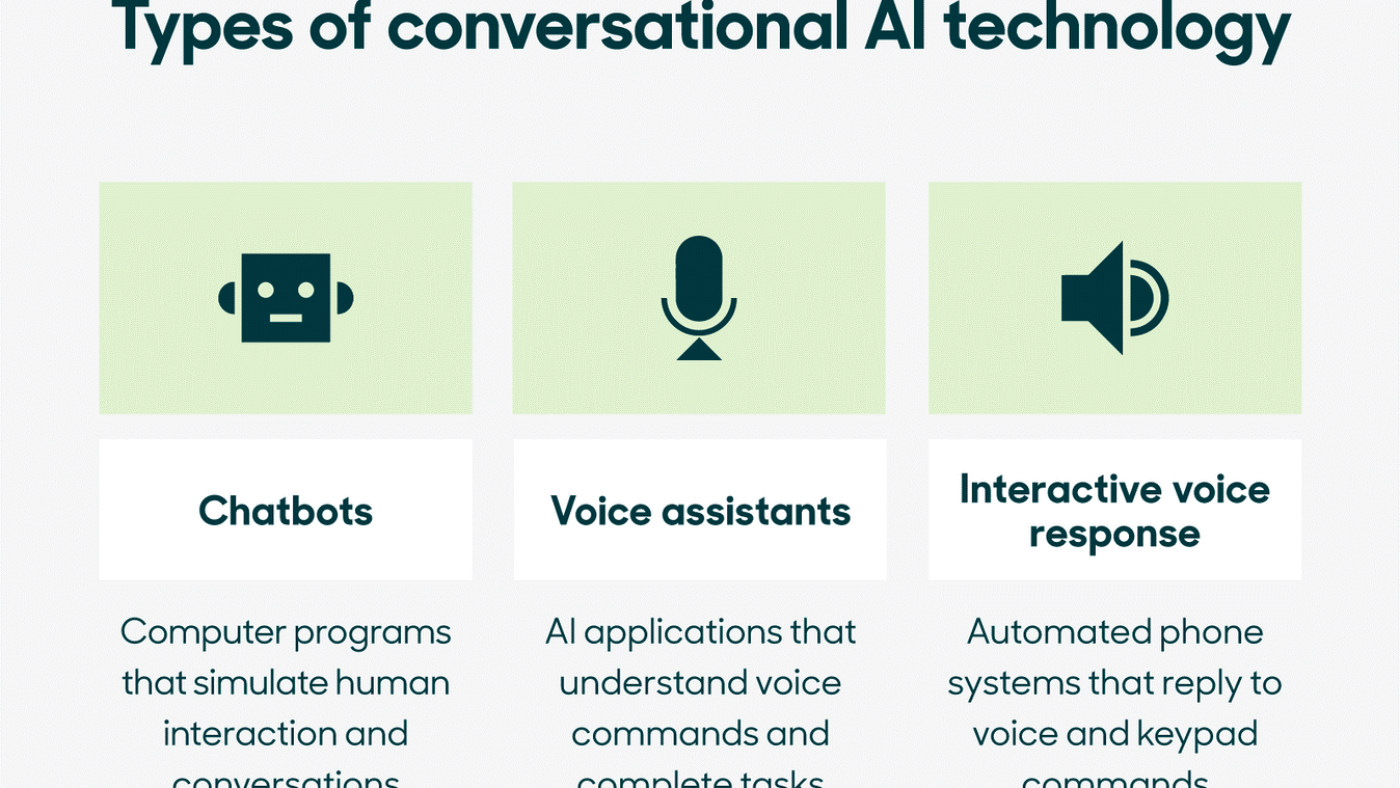
Conversational AI, also known as chatbots or virtual assistants, has become popular in recent years. This increase can be attributed to advances in natural language processing, machine learning, and increased data availability. These technologies have enabled machines to understand, produce, and respond to human language in a way that closely resembles real human interaction.


 Improve Customer Service

One of the main applications of conversational AI is in the field of customer service. Gone are the days when customers had to navigate annoying automated phone menus or wait in long lines for help. Now, chatbots can quickly answer customer questions, offer support, and provide information 24/7. This not only improves the customer experience, but also reduces the workload of customer support agents, allowing them to focus on more complex issues.  Revolutionizing e-commerce

The e-commerce industry has also adopted conversational AI. Virtual sales assistants can guide customers through their purchasing journey, answer product-related questions, and provide personalized recommendations. Chatbots integrated into e-commerce websites can also facilitate order tracking, returns, and refunds, making online shopping more convenient and engaging.

Streamline business operations

Conversational AI is not just about customer-facing applications. It can also be a powerful tool for internal operations. From scheduling meetings to automating routine tasks, chatbots can help businesses streamline  processes, saving time and resources. This technology is especially useful in industries like healthcare, where it can facilitate appointment scheduling and patient support.

Personalization and user engagement

Conversational AI enables businesses to deliver more personalized and engaging experiences to their customers. By analyzing  data and user interactions, chatbots can tailor their responses and recommendations, making users feel more valued and understood. This personalization can lead to increased user engagement and customer loyalty. Ethical challenges and considerations

While the potential of conversational AI is huge, it also poses challenges. Ensuring data security, combating algorithmic bias, and maintaining  human touch in interactions are important concerns. Finding the right balance between automation and personalization is essential to creating a positive user experience.


 The Future of Conversational AI

As technology continues to advance, conversational AI is poised for even more notable advancements. With the integration of AI into virtual  and augmented reality environments, the way we communicate with machines and interact with the environment will change significantly. We can expect more human-like interactions, increased use in education and healthcare, and access to more languages ​​and cultures.

In short, conversational AI is changing the way we communicate with technology and  each other. Its applications range from customer service to business operations and have the potential to redefine industries and user experiences. As we navigate this exciting era of AI-driven conversations, it is important to harness this technology responsibly, ensuring that it improves our lives rather than causing harm. harm them. With the right balance, we can unlock the full potential of conversational AI, ushering in a new era of transparent, efficient, and personalized communication.

pict 3

Demystifying artificial intelligence (AI) and machine learning: A world of endless possibilities

In our increasingly digital world, artificial intelligence (AI) and machine learning (ML) are more than just buzzwords; they are transformative technologies that reshape industries, improve our daily lives, and expand the range of possibilities. In this blog post, we’ll dive into the fascinating world of AI and ML, break down the basics, and explore their various applications.


 Learning Artificial Intelligence (AI) and Machine Learning (ML)

AI is a broader concept that includes the development of intelligent agents or systems capable of performing tasks that typically require human intelligence. These tasks can range from problem solving and decision making to  natural language understanding and pattern recognition. AI aims to create machines that simulate human cognitive functions. In the field of AI, Machine Learning is a specialized approach. ML is the process of training a machine to learn from data without explicit programming. Instead, it uses algorithms to identify patterns, make predictions, and continuously improve  performance based on feedback and experience.


 Applications of AI and Machine Learning

Natural Language Processing (NLP):

NLP enables machines to understand human language. Virtual assistants like Siri and chatbots leverage NLP to converse with users. AI-based language translation services, sentiment analysis, and content creation are other notable applications of NLP.

Computer vision:

Computer vision focuses on teaching machines to interpret and understand visual information in the world, such as images and videos. This technology is the foundation of facial recognition, self-driving cars and image analysis in fields such as healthcare and agriculture.

Recommended system:

Think about the personalized recommendations you get on platforms like Netflix, Amazon, or Spotify. AI and ML algorithms analyze your behavior and preferences to deliver relevant content and products. Health care:

AI is revolutionizing the healthcare industry by assisting in disease diagnosis, drug discovery, and even disease prediction. ML algorithms can analyze large datasets of medical records and images to help healthcare professionals.

Finance:

AI and ML are used for fraud detection, algorithmic trading, credit risk assessment, and financial forecasting. These technologies enable more accurate decision making in a highly data-driven industry.

Autonomous system:

Autonomous cars, drones, and robots rely heavily on AI and ML to navigate and make decisions in real time. These technologies have the potential to transform the transportation and logistics industry.

Personalized marketing:

Marketers are using AI to deliver hyper-personalized content and offers. The technology can analyze user behavior, predict their interests, and optimize ad targeting.

Ethical challenges and considerations

While the potential of AI and ML is huge, they also have challenges. Data privacy, algorithmic bias, and ethical concerns are key issues. Ensuring that these technologies are used responsibly and ethically is essential to their long-term success and adoption.


 The Future of AI and ML

The future of AI and ML has endless possibilities. We can expect greater advances in deep learning, reinforcement learning, and the integration of AI into more aspects of our lives. AI-based healthcare, sustainable energy management, and new advances in robotics and automation are just a glimpse of what lies ahead.

In short, AI and ML are revolutionizing the way we live, work, and interact with technology. As these technologies continue to develop, we must remain vigilant about the ethical considerations and challenges they present. By harnessing AI and ML responsibly, we can unlock their full potential and continue to shape a future full of innovation and positive change.